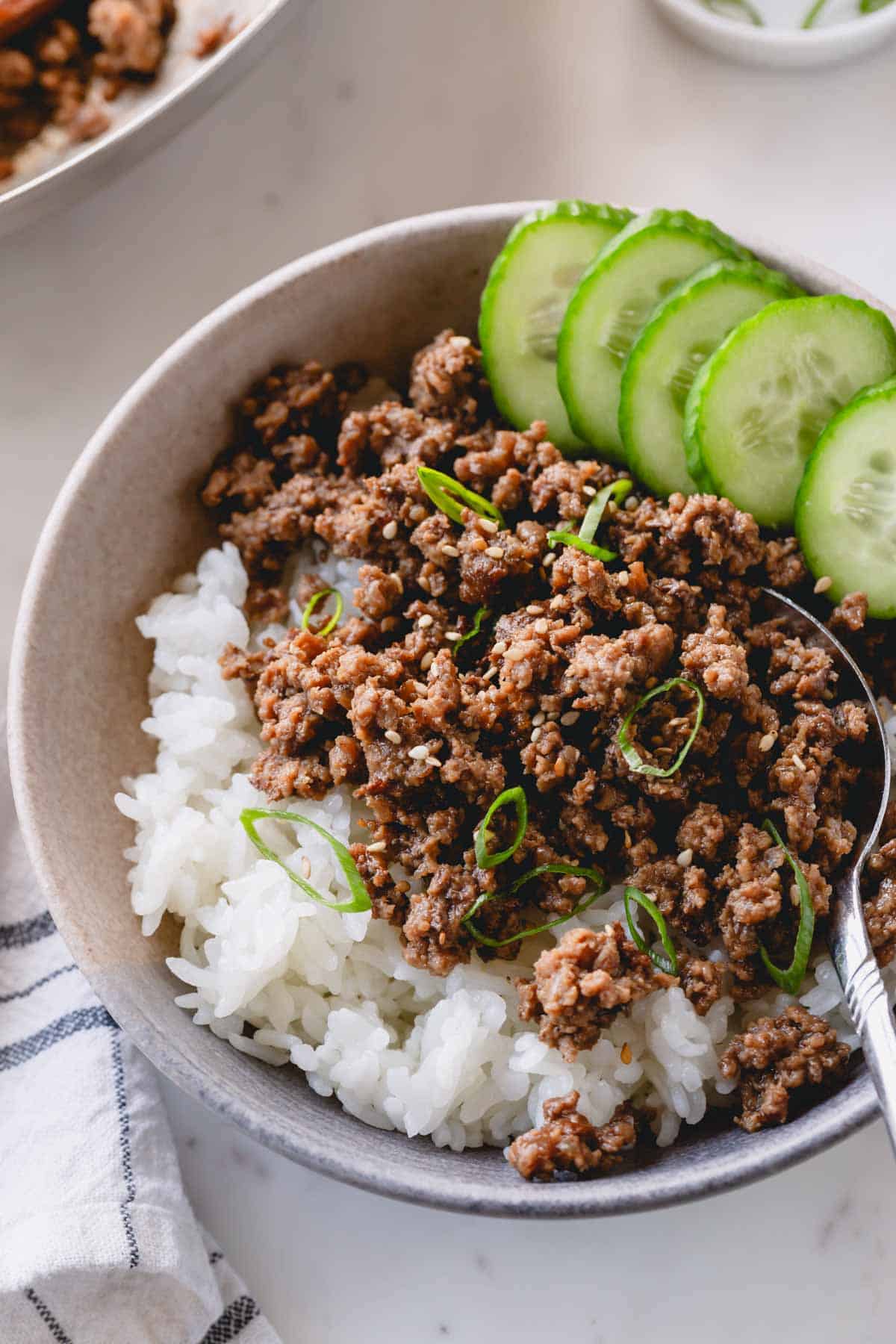
Mastering the Art of Korean Ground Beef with Pantry Staples
In the culinary world, few dishes manage to blend incredible flavor with effortless preparation quite like Korean ground beef. It's the ultimate weeknight hero, a dish that transforms humble ground beef into a symphony of sweet, savory, and subtly spicy notes, all using ingredients likely already residing in your pantry. If you're searching for an exciting and speedy easy Korean ground beef recipe that promises to become a family favorite, you've found your delicious destiny.
Imagine a meal so quick to prepare that it's ready before the takeout menu even arrives, yet so satisfying and rich in flavor that your family will be begging for it weekly. This isn't a fantasy; it's the reality of Korean ground beef. It’s a versatile, budget-friendly, and highly nutritious option that proves exotic flavors don't have to come with a complicated ingredient list or lengthy cooking times. Whether you're a seasoned home cook or just starting your culinary journey, mastering this Korean ground beef recipe opens up a world of quick, comforting, and incredibly delicious possibilities.
The Essential Flavor Profile: Unlocking Authentic Korean Taste
The magic of Korean ground beef lies in its distinctive sweet, savory, and umami-rich flavor profile, often complemented by a subtle kick of spice and aromatic warmth. Achieving this balance is surprisingly simple, relying on a handful of key pantry ingredients that, when combined, create that unmistakable Korean taste sensation. These are the building blocks that transform ordinary ground beef into something extraordinary:
- Soy Sauce: The cornerstone of savory depth. Opt for a good quality light soy sauce for the best flavor, providing the salty, umami foundation.
- Brown Sugar: Delivers the essential sweetness that balances the savory notes of the soy sauce and helps caramelize the beef. White sugar can work in a pinch, but brown sugar adds a richer, molasses-like undertone.
- Sesame Oil: A finishing oil that imparts a wonderfully nutty, toasted aroma and flavor characteristic of Korean cuisine. A little goes a long way, so add it towards the end of cooking to preserve its delicate essence.
- Garlic & Ginger: These aromatic powerhouses are non-negotiable. Freshly minced garlic and grated ginger provide a pungent, warming zest that elevates the entire dish. While dried versions can work, fresh offers unparalleled vibrancy.
Together, these ingredients create a robust sauce that coats every morsel of ground beef, ensuring a burst of flavor in every bite. This fundamental quartet is enough to produce a fantastic Korean-inspired dish that’s incredibly satisfying and quick.
Elevating Your Korean Ground Beef Recipe with Gochujang and Mirin
While the basic pantry staples create a delicious foundation, incorporating Gochujang and Mirin takes your Korean ground beef to an even more authentic and complex level. These two ingredients are staples in Korean and Japanese cooking, respectively, and they bring depth, spice, and subtle sweetness that are hard to replicate.
Understanding Gochujang
Gochujang is a vibrant, fermented Korean chili paste that's a cornerstone of Korean cuisine. Its deep red color hints at its bold flavor, which is a complex interplay of spicy, sweet, salty, and rich umami notes. Unlike simply hot chili sauces, Gochujang offers a unique fermented depth that adds incredible character to marinades and sauces. It's widely available in most supermarkets and Asian grocery stores and is an investment worth making if you enjoy Korean flavors.
Flavor Contribution: Gochujang introduces a layered heat that is both fiery and subtly sweet, along with a distinct umami richness that deepens the overall flavor of your Korean ground beef. It's the secret weapon for that signature Korean "kick."
Substitutes: While there's no exact replica for Gochujang's unique fermented taste, alternatives exist for when you're in a pinch. Sriracha can provide a similar level of heat, though it lacks the depth. For a homemade quick fix, you can combine paprika or cayenne powder with a touch of soy sauce and sugar syrup or honey to create a spicy, sweet, and smoky paste. For more detailed insights into alternatives, check out our guide on Korean Ground Beef Recipe: Gochujang Substitutes Explored.
Introducing Mirin
Mirin is a sweet cooking rice wine, predominantly used in Japanese cuisine but also valuable in Korean cooking. It has a very low alcohol content and plays a crucial role in tenderizing meat, adding a subtle sweetness, and imparting a beautiful glossy sheen to dishes. Its mild, tangy, and sweet profile complements the robust flavors of soy sauce and Gochujang perfectly.
Flavor Contribution: Mirin contributes a delicate, rounded sweetness and a slight tang that brightens the sauce, helps tenderize the ground beef, and enhances the overall umami. It helps to balance the more intense flavors of the other ingredients.
Substitutes: If you prefer a non-alcoholic or halal alternative, you can create a substitute by mixing sugar syrup or honey with rice vinegar or even water in a 1:1 ratio. This combination mimics the sweetness and acidity that Mirin provides without the alcohol content.
By thoughtfully incorporating Gochujang and Mirin alongside your basic pantry staples, you're not just cooking; you're crafting an experience that truly captures the spirit of authentic Korean flavors.
Crafting Your Perfect Korean Ground Beef Bowl: Tips & Tricks
Creating an exceptional Korean ground beef bowl is as much about technique and presentation as it is about the ingredients. This dish is inherently versatile, allowing for numerous customizations to suit your taste and what you have on hand. Here are some practical tips to perfect your bowl:
Cooking the Ground Beef to Perfection
- Browning is Key: Start by browning your ground beef in a hot pan. Break it up with a spoon as it cooks to ensure even browning and to prevent large clumps. This creates a more appealing texture and allows the beef to absorb the sauce better.
- Safety First: The USDA recommends cooking ground beef to a minimum internal temperature of 160°F (71°C) for food safety. Ensure there's no pink remaining.
- Drain Excess Fat: After browning, drain off any excess fat from the pan before adding your sauce ingredients. This prevents the dish from becoming greasy and allows the flavors of the sauce to shine through.
The Versatile Base: Rice and Beyond
A comforting bowl of steamed rice is the traditional and ideal accompaniment for Korean ground beef. It acts as a perfect canvas to soak up all the delicious sauce.
- White Rice: Classic and comforting, white rice (such as short-grain or sushi rice) is a popular choice for its soft texture and ability to absorb flavors.
- Brown Rice: For a nuttier flavor and added fiber, brown rice is an excellent, wholesome alternative.
- Jasmine Rice: Aromatic and slightly sticky, Jasmine rice brings a beautiful fragrance and texture to the dish.
- Other Bases: Don't limit yourself to rice! This beef also pairs wonderfully with quinoa, cauliflower rice for a low-carb option, or even tucked into lettuce cups for a fresh, crunchy wrap.
Integrating Vegetables for Flavor and Nutrition
This dish is incredibly adaptable to incorporate various vegetables, turning it into a complete, balanced meal. Stir-fry them with the beef or serve them alongside for added crunch and freshness.
- Onions & Spring Onions: Sautéed onions add sweetness and depth, while thinly sliced green onions (scallions) are a quintessential garnish, providing a fresh, pungent bite.
- Carrots & Bell Peppers: Diced carrots and bell peppers (any color) add vibrant color, sweetness, and a pleasant crunch.
- Mushrooms: Sliced fresh mushrooms (cremini, shiitake) or rehydrated dried shiitake mushrooms contribute a rich umami flavor and meaty texture.
- Other Options: Consider adding quick-cooking vegetables like broccoli florets, snap peas, spinach, or even bamboo shoots.
Garnishes: The Finishing Touch
Don't underestimate the power of garnishes to elevate both the visual appeal and the flavor of your Korean ground beef bowl.
- Toasted Sesame Seeds: Sprinkle liberally for an extra nutty flavor and textural contrast.
- Fresh Green Onions: Finely chopped, they add a fresh, oniony bite and bright green color.
- Red Chili Flakes or Sliced Fresh Chilis: For those who love extra heat, a sprinkle of chili flakes or thinly sliced fresh chilies can provide an additional fiery kick.
Beyond Beef: Adaptability and Meal Prep
While this recipe shines with ground beef, its versatility extends to other proteins. You can easily substitute ground chicken, turkey, or even finely chopped firm tofu for a lighter or vegetarian alternative. Simply cook until no longer pink or heated through, then add the sauce. This dish is also fantastic for meal prep; cook a larger batch at the beginning of the week, and portion it out with rice and fresh veggies for quick, delicious lunches or dinners.
Conclusion: Your New Weeknight Obsession
From minimal ingredients to maximum flavor, mastering Korean ground beef with pantry staples is a culinary triumph that's both accessible and incredibly rewarding. It's a testament to how simple, well-chosen ingredients can create a truly unforgettable dining experience. This Korean ground beef recipe is more than just a quick meal; it's a comforting, customizable, and budget-friendly solution for busy weeknights that never compromises on taste. So go ahead, raid your pantry, grab a pound of ground beef, and prepare to embark on a flavor journey that your taste buds – and your family – will thank you for, again and again.
